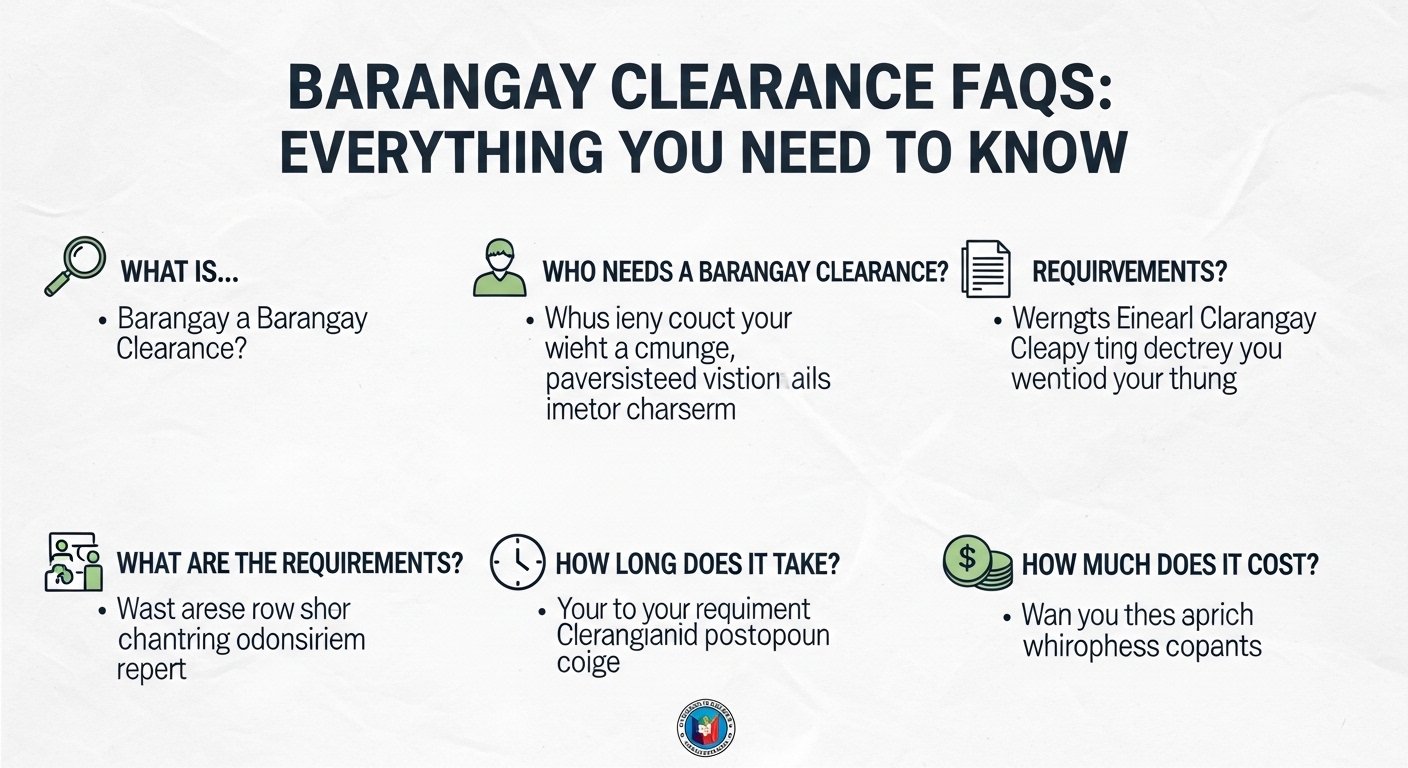
Barangay Clearance FAQs: Everything You Need to Know
If you live in the Philippines, you’ve probably heard about the Barangay Clearance many times. It’s one of the most requested documents for jobs, business permits, government IDs, and legal transactions.
Yet, many people still feel confused about:
- What is a barangay clearance?
- Who needs it?
- What are the requirements?
- How much is the fee?
- How long is it valid?
- Can I apply online?
- Is it free for first-time job seekers?
If you’re asking any of these questions, this guide is for you.
This article answers the most common barangay clearance FAQs in simple language so you can understand everything quickly and avoid mistakes during your application.
Let’s go through each question step by step.
What Is a Barangay Clearance?
Barangay Clearance is an official certificate issued by your local barangay office confirming that:
- You are a resident of the barangay
- You have good moral character
- You have no pending disputes or complaints
- You are cleared for legal or official purposes
In simple terms, it proves that you are a law-abiding citizen in your community.
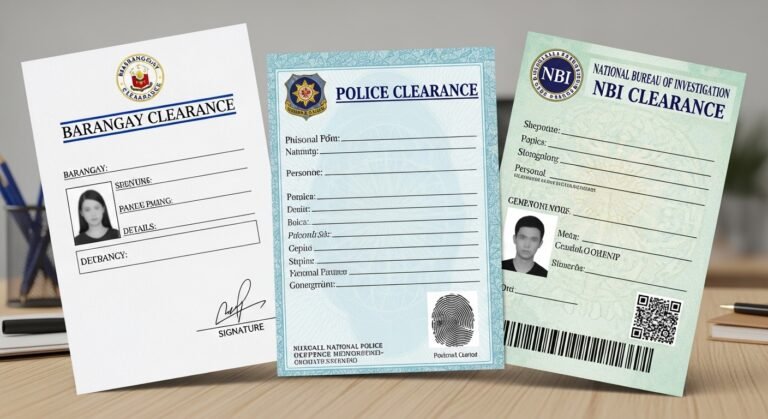
It is usually the first document required before applying for police clearance, NBI clearance, or business permits.
Why Is a Barangay Clearance Important?
This document is important because it is widely accepted as:
- Proof of residency
- Proof of identity
- Community background check
- Local record verification
Without it, many applications cannot proceed.
It helps government offices and employers confirm that you have a clean record within your barangay.
Who Needs a Barangay Clearance?
Almost everyone may need this document at some point.
Common people who need it include:
- Job applicants
- Students
- Employees
- Business owners
- First-time workers
- OFWs
- Government applicants
- Residents requesting legal documents
If you are applying for anything official, chances are you’ll need one.
Barangay Clearance FAQs
Below are the most searched and commonly asked questions about barangay clearance in the Philippines.
The Barangay Clearance FAQs section answers the most common questions about barangay clearance requirements, application steps, fees, validity, and eligibility. Whether you are applying for a job, starting a business, or processing government documents, understanding how the barangay clearance works can save you time and avoid delays.
What are the barangay clearance requirements?
Most barangays ask for:
- Valid government ID
- Proof of residency
- Cedula (Community Tax Certificate)
- Application form
- Payment fee
- Photo (sometimes required)
Always bring extra photocopies to avoid delays.
What valid IDs are accepted?
Accepted IDs include:
- National ID (PhilSys)
- Passport
- Driver’s License
- UMID
- Voter’s ID
- PRC ID
- School or company ID
Tip: Bring at least two IDs for safety.
How do I get a barangay clearance?
Follow these steps:
- Visit your barangay hall
- Get an application form
- Fill out your details
- Submit requirements
- Pay the fee
- Wait for processing
- Receive your clearance
The process is usually quick and simple.
Where should I apply for barangay clearance?
You must apply at:
Your current barangay hall only
Other barangays cannot issue clearance for you.
You must be a registered resident.
How long does processing take?
Normally:
- 10 to 30 minutes only
During busy hours, it may take longer.
Going early in the morning is recommended.
How much is the barangay clearance fee?
Fees depend on the purpose.
Here’s an estimate:
| Purpose | Fee |
|---|---|
| Employment | ₱20–₱50 |
| Residency | ₱20–₱50 |
| Business | ₱100–₱300 |
| Legal use | ₱50–₱100 |
| First-time job seeker | FREE |
Prices may vary per barangay.
Is barangay clearance free for first-time job seekers?
Yes.
Under the First Time Jobseekers Assistance Act, you can get:
- Free barangay clearance
- Free NBI clearance
- Free police clearance
Requirements:
- First-time job seeker certificate
- Oath of undertaking
This helps reduce costs for fresh graduates.
How long is barangay clearance valid?
Most barangay clearances are valid for:
- 6 months to 1 year
Some offices require clearances issued within 3 months.
Always check validity before submitting.
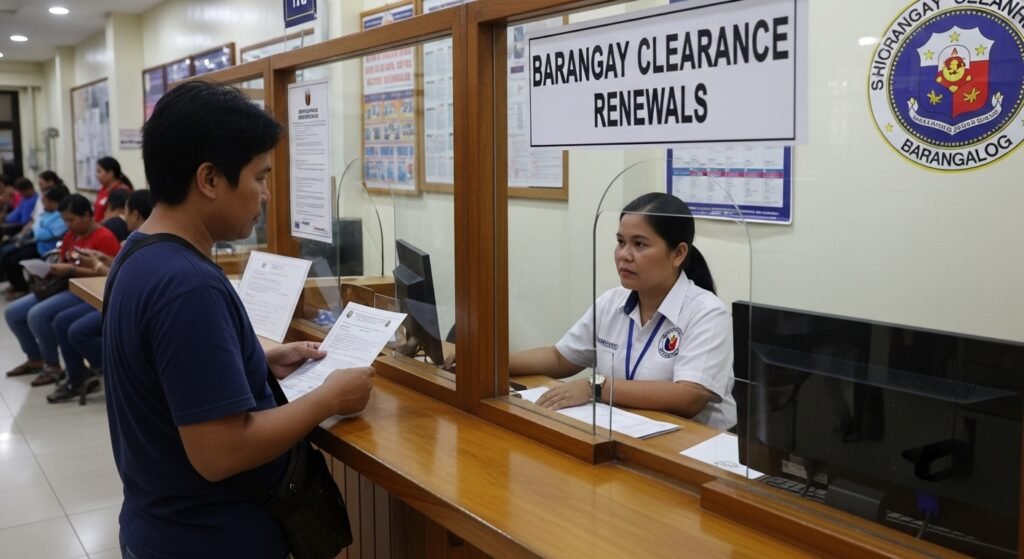
Can I renew my barangay clearance?
Yes.
If expired, simply:
- Visit the barangay hall again
- Submit updated requirements
- Pay the fee
Renewal is similar to first-time application.
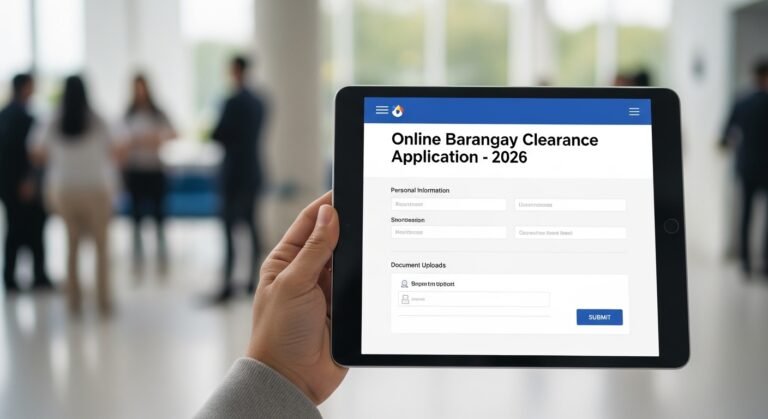
Can I apply for barangay clearance online?
Some cities offer:
- Online booking
- Appointment scheduling
- Digital forms
- E-payment
However, many barangays still require personal appearance.
Check your barangay’s website or social media page.
Can someone apply on my behalf?
Usually no.
Personal appearance is required because:
- You must sign documents
- Identity must be verified
Exceptions are rare.
Do students need barangay clearance?
Yes, sometimes.
It may be required for:
- Enrollment
- Scholarships
- Internship
- Government assistance
Check your school requirements.
Do I need barangay clearance for a job?
Yes.
Most employers request it to:
- Verify your address
- Check local records
- Confirm good conduct
It is a common pre-employment requirement.
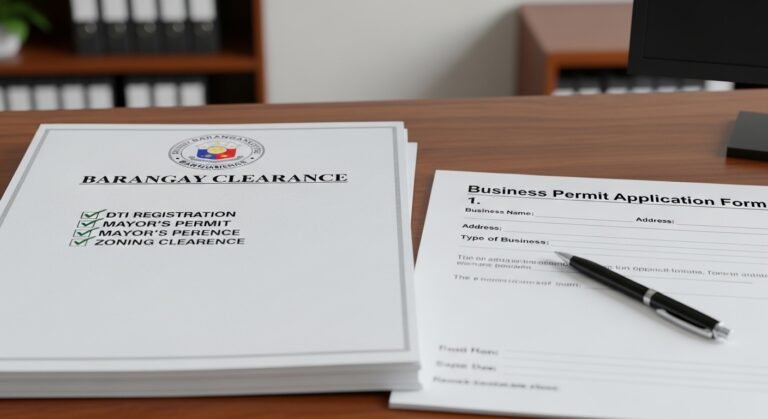
Do business owners need barangay clearance?
Yes.
Before opening a business, you must get:
Barangay Business Clearance
This is required for:
- Mayor’s permit
- DTI registration
- Business license
Without it, your business may not operate legally.
What if I have a pending complaint or blotter record?
Your clearance may be delayed or denied.
You must:
- Settle disputes
- Clear your name
- Resolve issues with the barangay
After settlement, you can apply again.
What if I don’t have a Cedula?
Most barangays require it.
You can easily get one at:
- Barangay hall
- Municipal or city hall
Cost is very low.
What if I just moved to a new barangay?
You may need:
- Proof of residency
- Barangay certificate
- Several months of stay
Some barangays require you to be a resident first.
Can I use barangay clearance nationwide?
Yes.
It is accepted across the Philippines for:
- Jobs
- Permits
- Legal use
It is not limited to your barangay only.
What details are included in the clearance?
Typically:
- Full name
- Address
- Purpose
- Date issued
- Signature of Barangay Captain
- Official seal
Always check details for errors.
What are tips to get my clearance faster?
Follow these tips:
- Go early morning
- Bring photocopies
- Prepare exact payment
- Avoid peak hours
- Check office schedule
- Bring complete documents
These save time and effort.
Extra Tips for Applicants
Here are some helpful reminders:
- Keep multiple copies
- Store digitally
- Check spelling
- Don’t wait until last minute
- Renew before expiration
Preparation makes the process smooth.
FAQs About Barangay Clearance
Q1. What is a barangay clearance?
Ans: A barangay clearance is an official document issued by your local barangay that confirms you are a resident and have no pending complaints or legal issues within the community.
Q2. What is a barangay clearance used for?
Ans: It is used for job applications, business permits, government IDs, police clearance, NBI clearance, loans, and other legal or official transactions.
Q3. Who needs a barangay clearance?
Ans: Job seekers, students, business owners, employees, and residents processing government or legal documents may need a barangay clearance.
Q4. What are the requirements for barangay clearance?
Ans: Common requirements include a valid ID, proof of residency, Cedula (Community Tax Certificate), application form, and payment fee.
Q5. How do I get a barangay clearance?
Ans: Visit your barangay hall, fill out the form, submit documents, pay the fee, and wait for the clearance to be issued.
Conclusion:
Barangay Clearance may seem like a small document, but it plays a huge role in many important life transactions such as employment, business registration, government services, and legal requirements.
Understanding the process, requirements, fees, and answers to common questions helps you avoid delays and stress.