Barangay Clearance vs Police and NBI Clearance: What’s the Difference?
When applying for a job, starting a business, or processing government documents in the Philippines, you will often be asked to submit different types of clearances. The most common among these are the Barangay Clearance, Police Clearance, and NBI Clearance. Although they are often mentioned together, each clearance serves a different legal purpose, comes from a different issuing authority, and is used at different stages of verification.
Understanding the difference between these clearances helps you avoid delays, submit the correct documents, and comply properly with government and private requirements. This guide clearly explains what each clearance is, how they differ, and when you need each one.
What Is a Barangay Clearance?
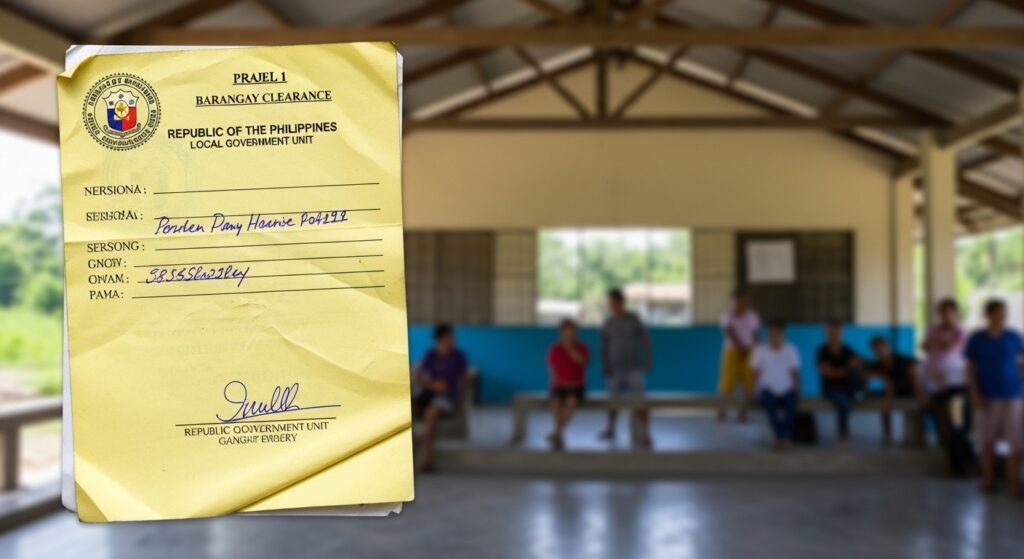
A Barangay Clearance is a local document issued by the barangay where a person currently resides. It certifies that the individual is a resident of the barangay and is of good standing, based on barangay records.
Who Issues It
The clearance is issued by the Barangay Captain (Punong Barangay) through the barangay office.
What It Verifies
- Residency in the barangay
- Community standing
- Presence or absence of unresolved barangay disputes
Common Uses
- Employment requirements
- Business permit applications
- Police and NBI clearance applications
- School enrollment
- Loans and bank transactions
- Local government transactions
A barangay clearance is usually the first clearance required before applying for higher-level clearances.
What Is a Police Clearance?
A Police Clearance is issued by the local police station and certifies that the applicant has no criminal record within the jurisdiction of the local police office.
Who Issues It
Police clearance is issued by the Philippine National Police (PNP).
What It Verifies
- Criminal records at the city or municipal level
- Police blotter entries within the local jurisdiction
Common Uses
- Local employment
- Government ID applications
- Firearms licensing (supporting document)
- Security clearance for private companies
Police clearance is broader than barangay clearance but limited to local police records.
What Is an NBI Clearance?
An NBI Clearance is a national-level clearance issued by the National Bureau of Investigation. It verifies whether a person has a criminal case or derogatory record anywhere in the Philippines.
Who Issues It
The clearance is issued by the National Bureau of Investigation (NBI).
What It Verifies
- Pending or decided criminal cases nationwide
- Court records linked to the applicant’s name
- Identity verification through biometrics
Common Uses
- Overseas employment
- Immigration and visa applications
- Passport processing
- Professional licensing
- High-level employment requirements
NBI clearance is the most comprehensive among the three.
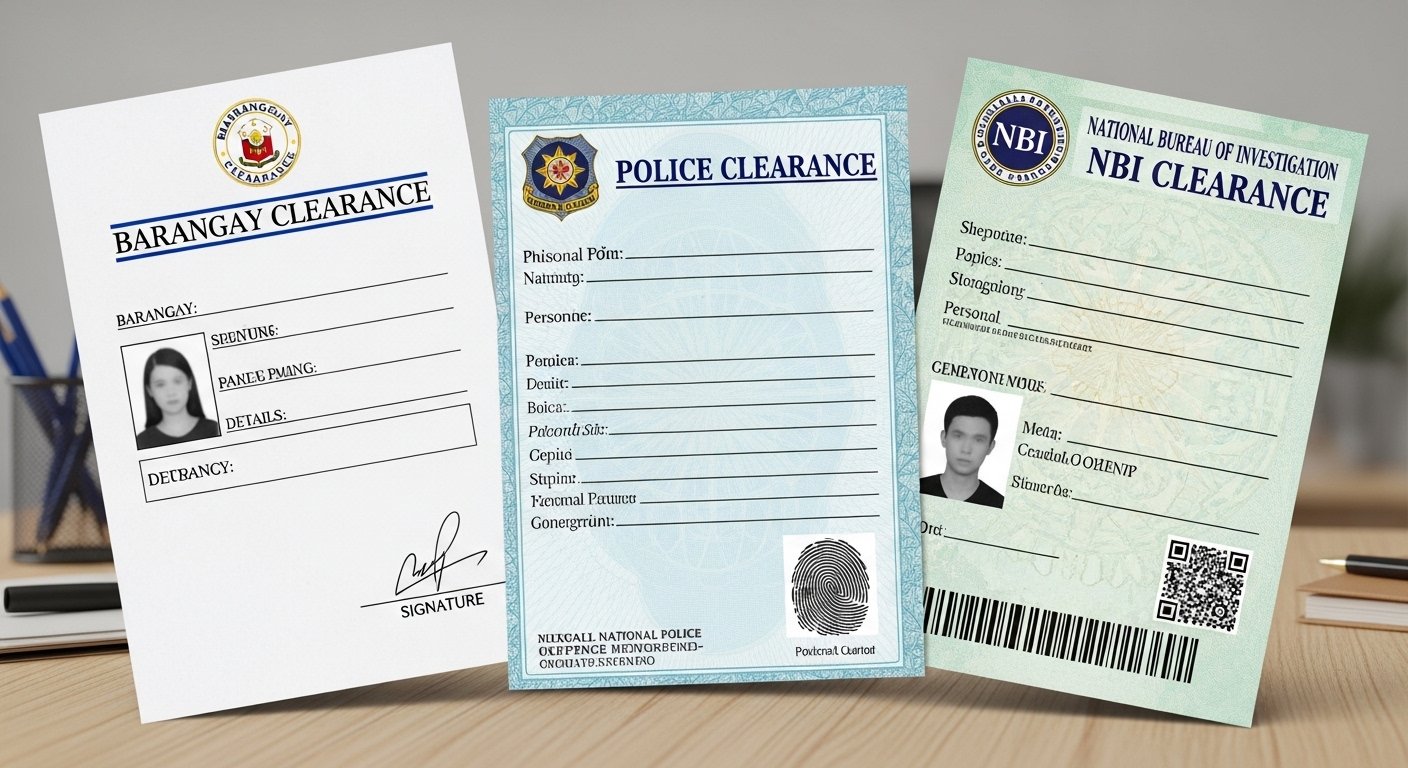
Key Differences Between Barangay, Police, and NBI Clearance
1. Issuing Authority
- Barangay Clearance: Barangay government
- Police Clearance: Local police station (PNP)
- NBI Clearance: National Bureau of Investigation
2. Scope of Background Check
- Barangay Clearance: Community and residency level
- Police Clearance: City or municipal level
- NBI Clearance: Nationwide criminal records
3. Legal Strength
- Barangay Clearance: Local certification
- Police Clearance: Law enforcement verification
- NBI Clearance: National legal clearance
4. Processing Level
- Barangay: Village or neighborhood
- Police: City or municipality
- NBI: National government
Comparison Table: Barangay vs Police vs NBI Clearance
| Feature | Barangay Clearance | Police Clearance | NBI Clearance |
|---|---|---|---|
| Issued By | Barangay Office | PNP | NBI |
| Coverage | Barangay records | Local police jurisdiction | Nationwide |
| Confirms Residency | Yes | No | No |
| Confirms Criminal Record | Limited | Local only | Nationwide |
| Required for Employment | Yes | Yes | Yes |
| Required for Overseas Use | No | Sometimes | Yes |
| Validity | Short-term | Short-term | Usually 1 year |
Which Clearance Do You Need?
For Local Employment
Most employers require:
- Barangay Clearance
- Police Clearance
Some employers also require NBI clearance, especially for sensitive positions.
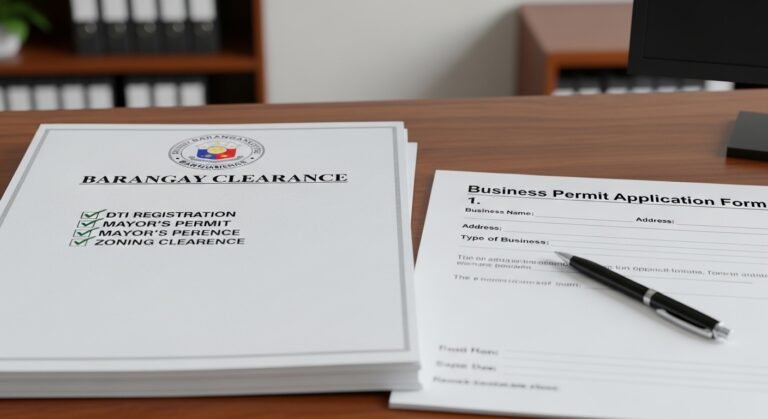
For Business Permit Applications
Typically required:
- Barangay Clearance
- Mayor’s Permit
- Other regulatory clearances
Barangay clearance is usually the first step.
For Overseas Employment or Immigration
Required:
- NBI Clearance (mandatory)
- Barangay Clearance (supporting document, sometimes)
For Government Transactions
Requirements vary, but often include:
- Barangay Clearance for residency
- Police or NBI Clearance for background verification
Why Barangay Clearance Is Often Required First
Barangay clearance is considered a foundation document because it:
- Confirms your place of residence
- Establishes your local identity
- Serves as a prerequisite for police and NBI clearance
Without a barangay clearance, applications for police or NBI clearance may be delayed or rejected.
Can One Clearance Replace the Others?
No. These clearances do not replace each other.
- Barangay clearance cannot substitute police or NBI clearance
- Police clearance cannot substitute NBI clearance
- NBI clearance does not prove residency
Each clearance serves a distinct legal function.
Common Misunderstandings About Clearances
“Barangay clearance means no criminal record”
This is incorrect. Barangay clearance only reflects barangay-level records, not national criminal history.
“Police and NBI clearance are the same”
They are not. Police clearance is local, while NBI clearance is nationwide.
“One clearance is enough for all purposes”
Most applications require multiple clearances, depending on purpose.
How Long Are These Clearances Valid?
- Barangay Clearance: Usually 3–6 months
- Police Clearance: Typically 6 months
- NBI Clearance: Usually 1 year
Validity depends on the requesting institution.
Tips to Avoid Clearance Application Problems
- Ensure your personal details match across all documents
- Secure barangay clearance first
- Bring valid government-issued ID
- Keep receipts and copies
- Apply early to avoid delays
Conclusion:
Barangay clearance, police clearance, and NBI clearance each play a unique role in verifying identity, background, and legal standing in the Philippines. Knowing their differences allows you to prepare the correct documents, meet requirements efficiently, and avoid unnecessary stress.
For most applications, these clearances work together, not as substitutes. Understanding when and why each is required is essential for smooth personal, professional, and legal transactions.