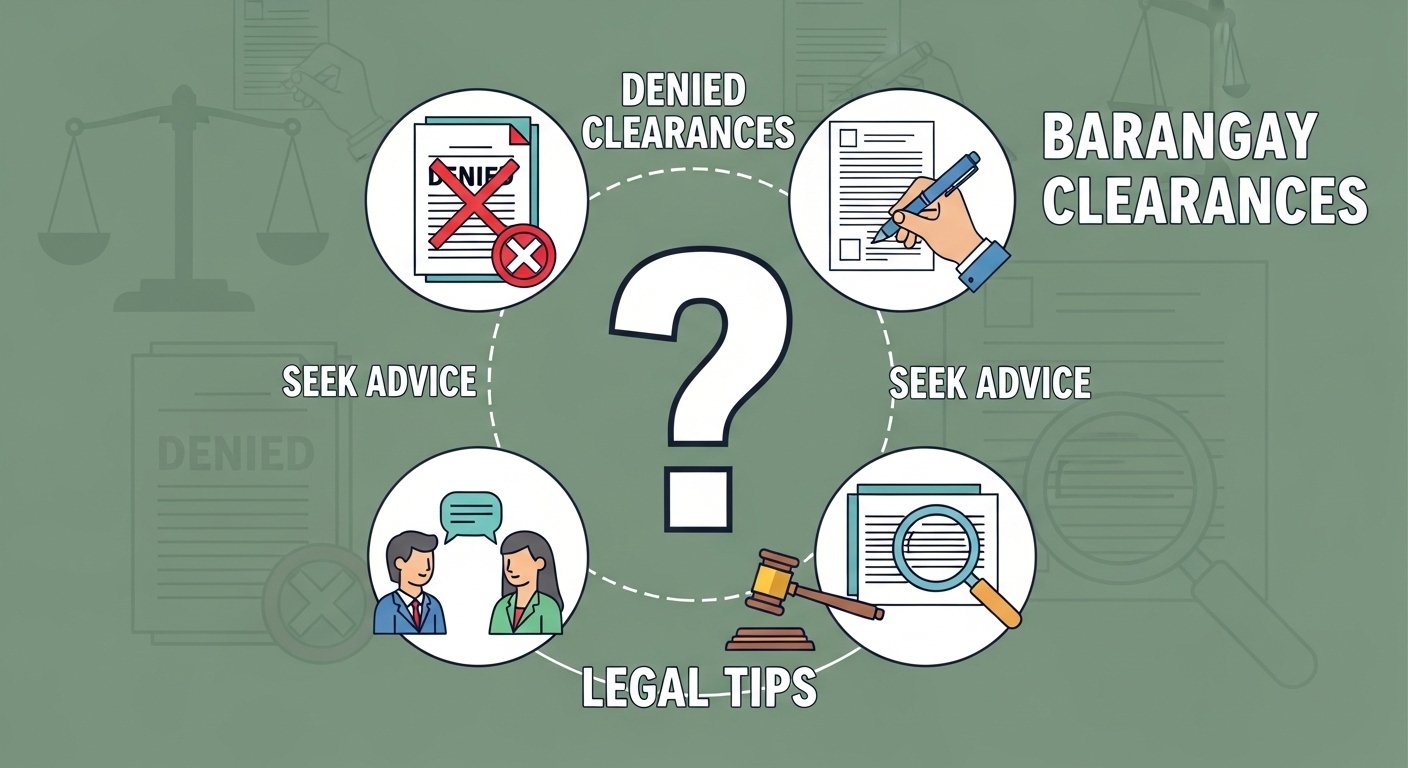
Legal Tips: What to Do If Your Barangay Clearance Is Denied
Barangay clearance is one of the most commonly requested local government documents in the Philippines. It is required for employment, business permits, police clearance, NBI clearance, loans, school enrollment, travel documentation, and many other official transactions. Because of its importance, being denied a barangay clearance can be stressful, confusing, and disruptive to your plans.
What Is a Barangay Clearance?
A barangay clearance is an official document issued by the barangay where a person resides. It certifies that the applicant is:
- A resident of the barangay
- Of good moral character (based on barangay records)
- Not currently involved in unresolved barangay disputes, if applicable
Barangay clearances are issued by the Barangay Captain (Punong Barangay) through the barangay office and are governed by the Local Government Code of the Philippines.
Why Barangay Clearance Is Important
A barangay clearance is required for many personal, legal, and professional purposes, including:
- Employment applications
- Police clearance and NBI clearance
- Business permit applications
- Loan and bank requirements
- Scholarship and school enrollment
- Voter registration support documents
- Government transactions
- Passport and visa requirements
Because of its widespread use, denial of a barangay clearance can cause delays, financial loss, and missed opportunities.
Can a Barangay Legally Deny Clearance?
Yes, but only under specific and lawful conditions.
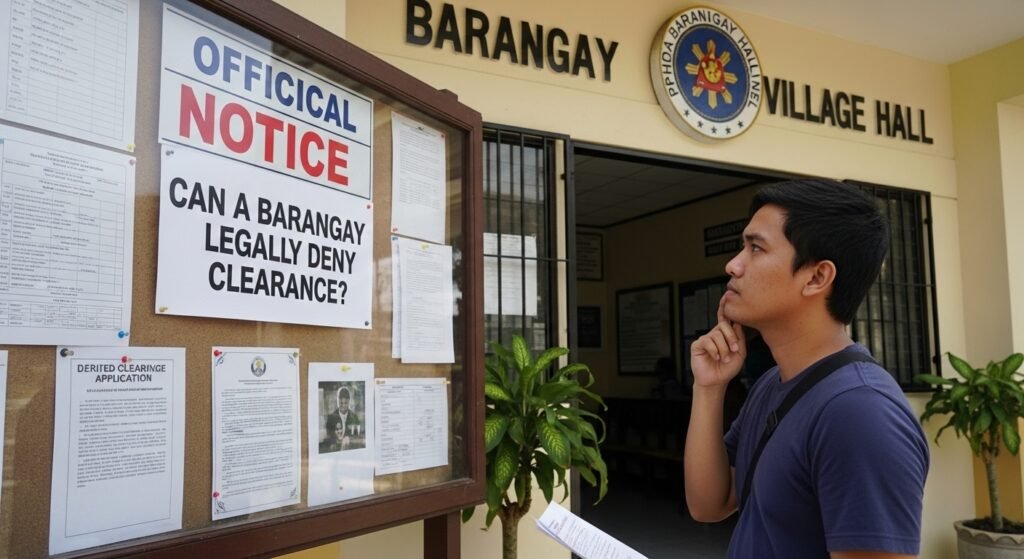
Barangay officials do not have unlimited authority to deny a clearance. Denial must be:
- Based on valid reasons
- Supported by barangay records
- Applied fairly and equally
- Consistent with due process
Any denial that is arbitrary, retaliatory, or personal may be considered abuse of authority.
Common Valid Reasons for Barangay Clearance Denial
Understanding lawful reasons for denial helps you determine whether the barangay acted properly.
1. Pending Barangay Case or Dispute
If you are involved in:
- An unresolved barangay complaint
- A mediation or conciliation case
- A Katarungang Pambarangay proceeding
The barangay may temporarily withhold clearance until the matter is resolved.
2. Unsettled Barangay Obligations
Examples include:
- Unpaid barangay fees
- Documented violations of barangay ordinances
- Recorded community penalties
The obligation must be officially recorded, not verbal or informal.
3. Residency Issues
Barangay clearance may be denied if:
- You are not a resident
- Your address cannot be verified
- You recently transferred and lack proof of residency
4. Incomplete or Incorrect Documents
Failure to submit:
- Valid ID
- Proof of residency
- Application forms
- Required fees
may result in temporary denial.
Invalid and Illegal Reasons for Denial
Barangay clearance must not be denied for the following reasons:
- Personal dislike or political conflict
- Criticism of barangay officials
- Refusal to support barangay leadership
- Rumors or unverified accusations
- Past cases that are already resolved
- Criminal cases not recorded at barangay level
If none of the valid grounds apply, the denial may be legally questionable.
Step-by-Step Legal Tips If Your Barangay Clearance Is Denied
Step 1: Request the Reason in Writing
Politely ask the barangay office for:
- The specific reason for denial
- A written explanation, if possible
This helps protect your rights and creates documentation.
Step 2: Review Barangay Records
Ask if there is:
- A formal complaint filed against you
- An active mediation case
- An unresolved barangay blotter entry
Only official records can justify denial.
Step 3: Resolve Any Pending Case
If there is a pending dispute:
- Attend scheduled hearings
- Cooperate in mediation
- Comply with barangay resolutions
Once resolved, request the clearance again.
Step 4: Submit a Formal Written Request
If you believe the denial is improper:
- Write a formal request letter
- Address it to the Barangay Captain
- Attach proof of residency and identification
Written communication signals seriousness and professionalism.
Step 5: Elevate the Concern to Higher Authorities
If the barangay continues to deny clearance without legal basis, you may seek assistance from:
- The Department of the Interior and Local Government (DILG)
- The City or Municipal Mayor’s Office
- The Public Attorney’s Office (PAO) for free legal advice
Barangay officials are subject to administrative discipline for abuse of power.
Your Legal Rights as an Applicant
Every Filipino citizen has the right to:
- Due process
- Equal treatment
- Access to public documents
- Protection from arbitrary government action
A barangay clearance is not a privilege it is an official certification that must be issued fairly.
Relevant Laws Supporting Your Rights
- Republic Act No. 7160 (Local Government Code)
- Katarungang Pambarangay Law
- Administrative Code of the Philippines
These laws require barangays to act reasonably, transparently, and within authority.
How Long Can a Barangay Withhold Clearance?
There is no automatic or indefinite withholding allowed.
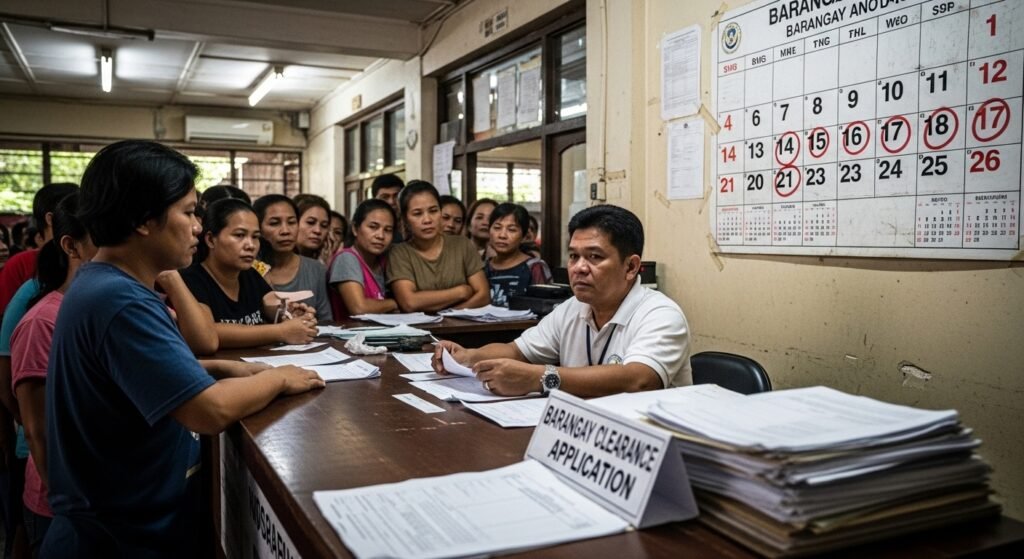
- Temporary denial must be linked to a valid reason
- Once resolved, clearance should be issued promptly
- Unreasonable delay may be challenged administratively
How to Avoid Barangay Clearance Problems
To prevent denial:
- Keep barangay obligations updated
- Attend mediation hearings when required
- Maintain respectful communication
- Secure proof of residency
- Keep copies of past clearances and receipts
Why Accurate Information Matters
Misinformation about barangay clearances often leads to:
- Unnecessary fear
- Missed opportunities
- Abuse of authority going unchallenged
Knowing your rights empowers you to act lawfully and confidently.
Conclusion:
Being denied a barangay clearance can be frustrating, but you are not powerless. The law protects citizens from unjust treatment, even at the barangay level. By staying calm, informed, and respectful, you can resolve the issue properly and ensure your rights are upheld.
Barangay officials are public servants, and their authority must always be exercised within the bounds of the law.